
Lily Collins-Sak, our studio founder, explains functional strength training — what it is, who it helps, and why Pilates has stayed relevant for a reason that has nothing to do with trends.
I've been teaching Pilates for almost two decades, and if there's one thing I love talking about more than the exercises themselves, it's why they work. Functional strength gets me genuinely excited, whether I'm cueing a first-timer through a bridge or explaining core engagement broken down to an instructor in training.
People sometimes assume I must find it annoying watching Pilates show up everywhere right now. But honestly, I think it's great to see more people experience the magic of Pilates and hopefully what this method actually does. Because once you understand functional strength training, you stop thinking of Pilates as just a workout category. You start seeing it as the infrastructure for your posture, your balance, your ability to get up off the floor without thinking twice, at every age.
What functional strength training actually is
Functional strength training is strength built for real life. Instead of isolating one muscle at a time, it trains your body as an integrated system — stability, mobility, coordination, balance, and control, all working together. Carrying groceries, lifting a child, standing up from the couch, holding good posture through a long day, functional strength is what makes all of it feel easier and more efficient.
This is the piece I love explaining most: traditional strength training builds muscle by working individual muscle groups. Functional strength training is about how your body moves as a whole, multiple joints and muscle groups cooperating through patterns that mirror actual life. Pilates blends strength, mobility, and control, which is exactly why it's one of the most effective and accessible forms of functional training out there.
The quality-of-life payoff — and why it excites me
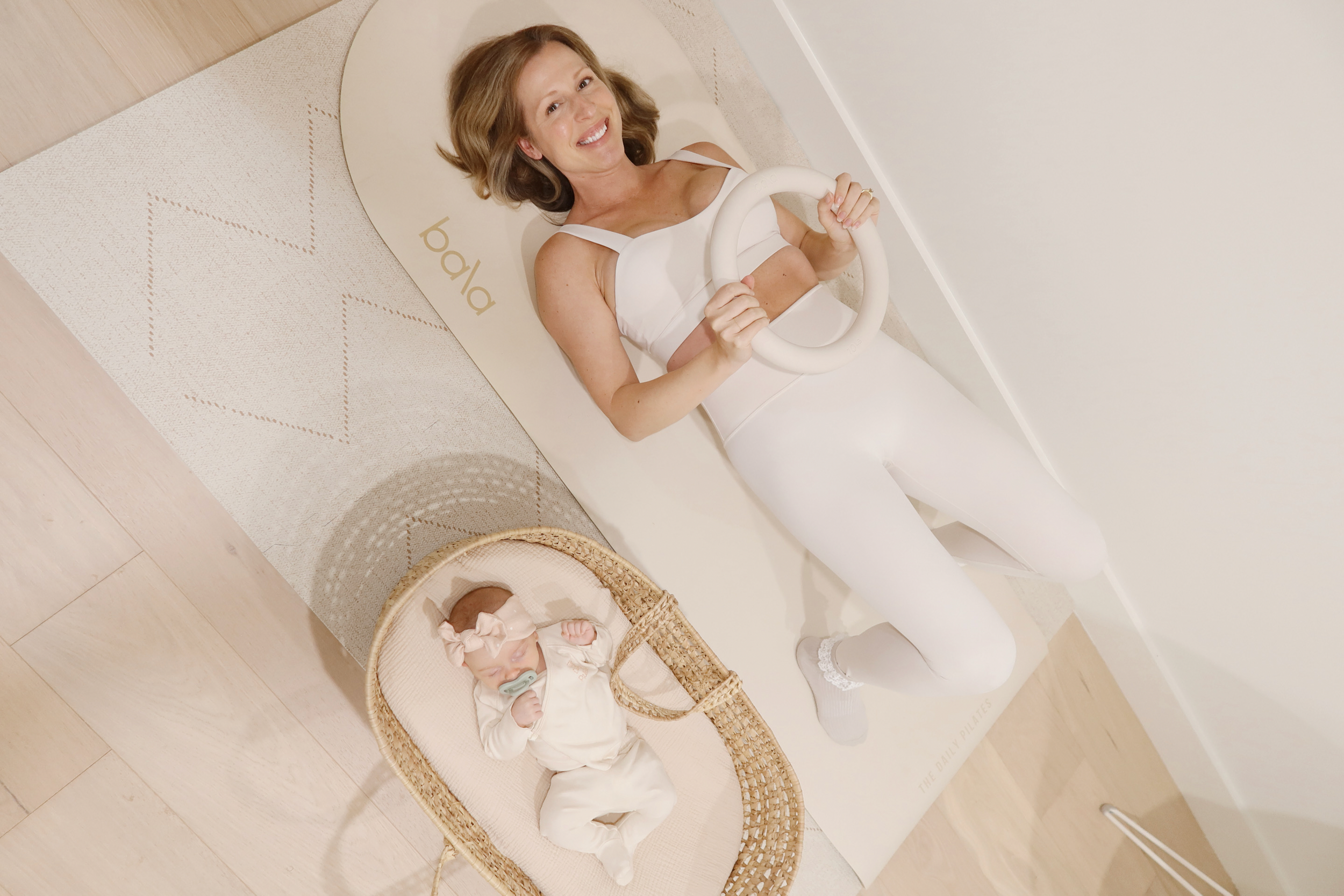
This is the part I could talk about for hours. Functional strength training improves posture and body awareness, sharpens balance and coordination, lowers the risk of falls and injury, builds joint stability and mobility, and helps preserve bone density and muscle as we age. It makes the unglamorous daily stuff like lifting, reaching, carrying, getting on and off the floor (can you tell I’m a new mom??) feel more effortless instead of effortful.
What I find people are most interested in isn't just how they feel during a class. It's how they feel afterward, all day, in totally unrelated moments like sitting at their desk, reaching for something in the backseat, carrying a heavy bag, all without a second thought.
And it's valuable across the board, which is part of what makes it so fun to teach:
Older adults, protecting independence, balance, and bone density
Anyone with a sedentary job, counteracting a day of sitting with better posture, mobility, and core stability
Parents and caregivers, who lift, carry, bend, and rotate all day without ever calling it exercise
Athletes, layering movement efficiency and injury prevention on top of raw performance
Anyone returning to exercise, because it builds the foundation everything else gets to stand on
Learning to read your body
Another important thing to know is the difference between productive fatigue and a signal to stop. Healthy fatigue feels like your muscles working hard, maybe a little shaky, or you feel a burn toward the end of a set all while still able to keep your form and breath. Pain is different: sharp pain, joint pain, numbness, tingling, dizziness, or form breaking down are all cues to stop, modify, or check in with a qualified instructor. Functional training should challenge you. It should never feel unsafe. Teaching people to actually listen to what their body is telling them, and trust it, is some of the most rewarding work I do.
A few of my favorite functional exercises to start with
Bridges — glutes and posterior chain, supporting the hips and lower back, working towards keeping the energy even through both sides
Bird dog — core stability, balance, and coordination
Dead bug — deep 360° core activation and lower-back protection
Chest expansion / swan — upper-back strength to counter rounded, screen-time posture
Standing balance work (like lunges) — hip strength, stability, coordination
Side-lying leg series — glutes and lateral hips, key for pelvic stability
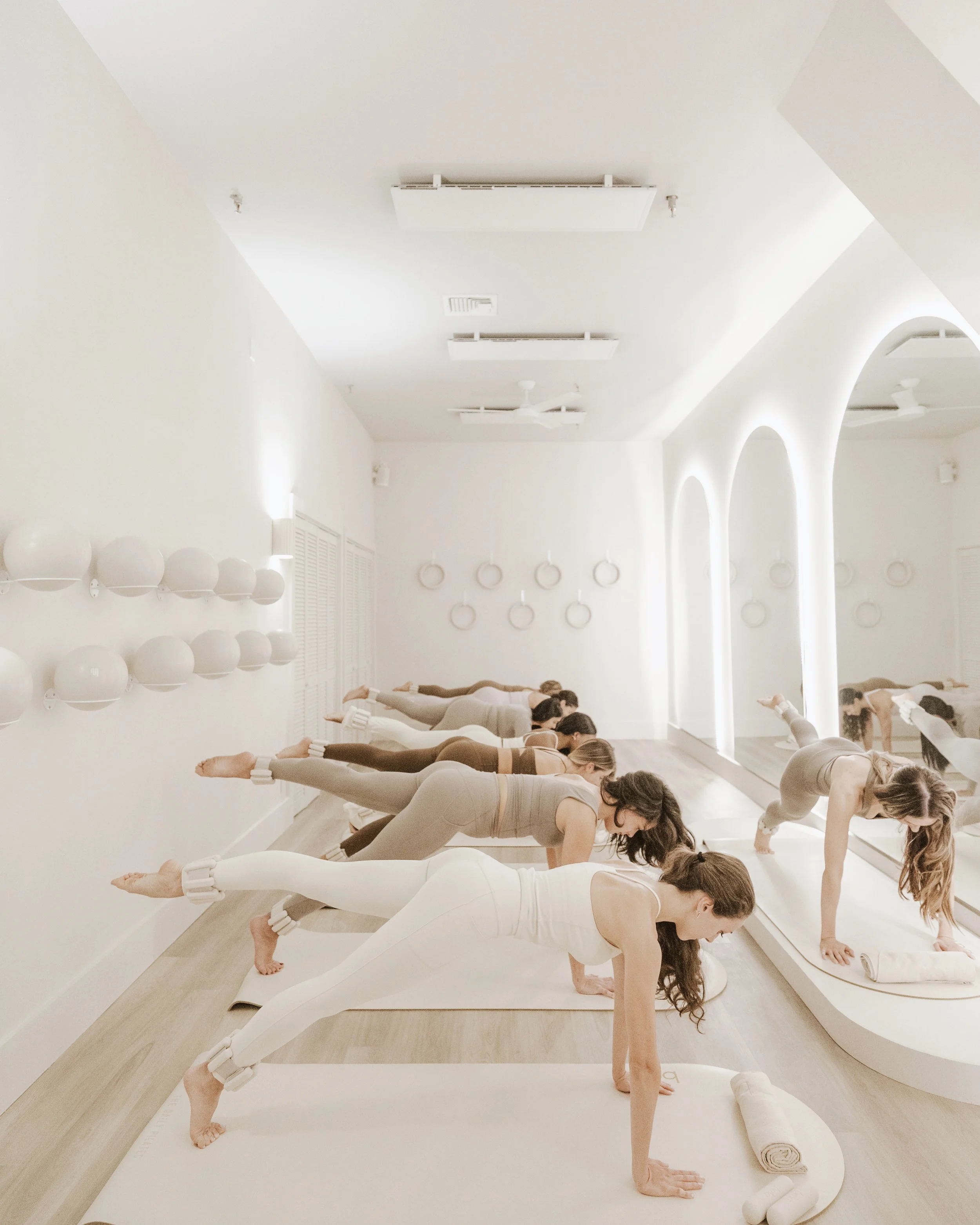
Plank Variations — total-body strength through alignment and breath
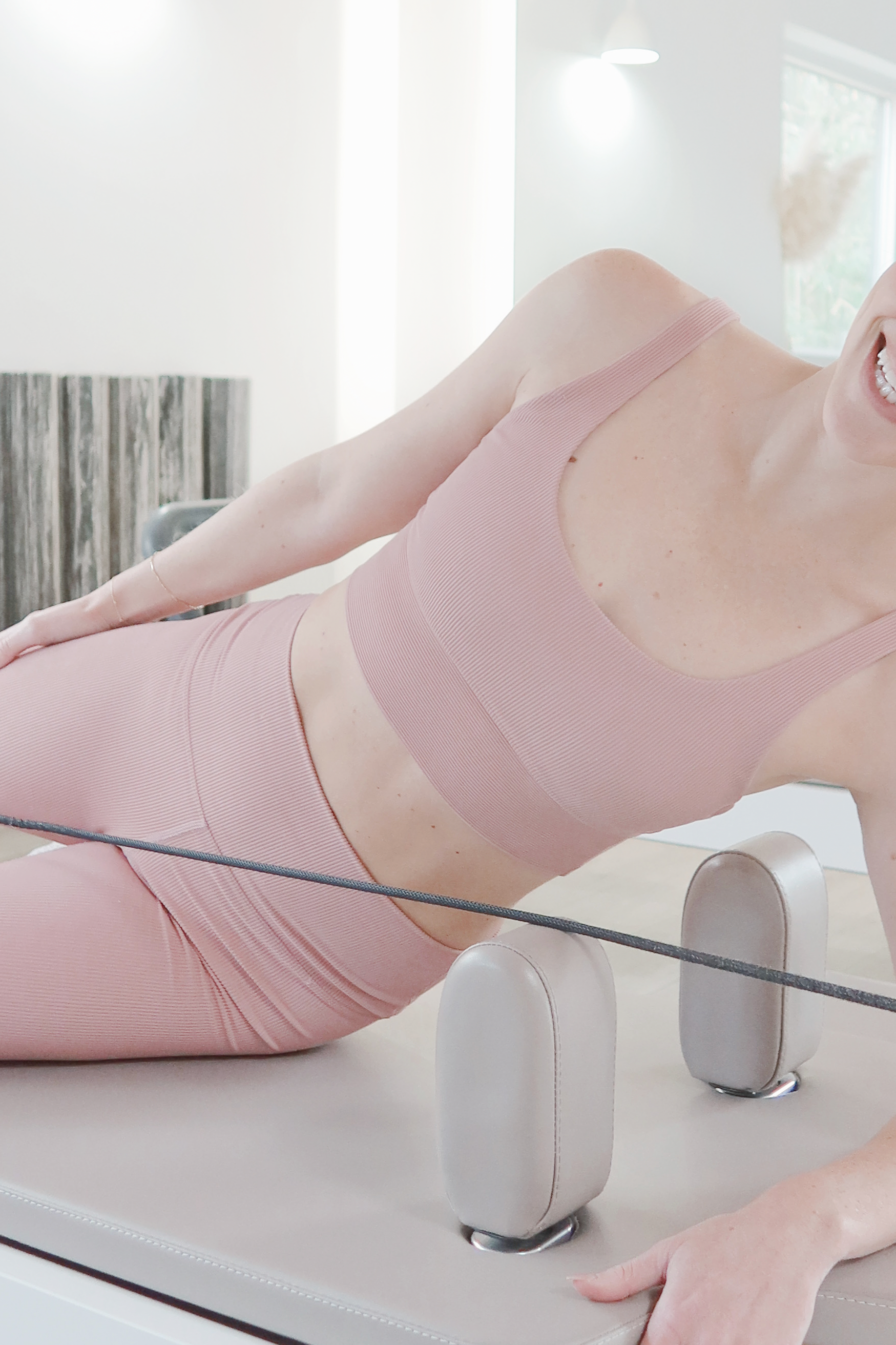
Underneath all of it is something we talk about constantly at The Daily Pilates: 360-degree core strength. Not just the "six-pack" muscles, but the deep system wrapping the entire trunk — diaphragm, pelvic floor, multifidus, transverse abdominis, this helps create stability from every direction. That's what protects the spine, eases strain on the lower back, and gives every other movement in your day something solid to stand on.
Functional strength doesn't need a workout to happen
Some of my favorite moments of "training" happen completely outside of class:
Standing up from a chair without using your hands, core hugged in, glutes engaged
Carrying groceries evenly on both sides, chest open, posture long
Balancing on one leg while brushing your teeth
Taking the stairs
Squatting instead of bending at the waist to pick something up
The misconception I most enjoy correcting
People often assume functional strength has to be intense to count, it doesn't! Some of the most effective training is built on precision, not speed or heavy load. Quality before quantity, every time.
Build a foundation on alignment, controlled movement, breath, and body awareness, and you get strength that's sustainable and genuinely transferable, the kind that shows up in your actual life, not just in a mirror. That's why Pilates has held its place as one of the most effective forms of functional training for people of every age. It doesn't just make you stronger. It teaches you to move better, daily. And honestly, it just feels good, which is a big part of why I still love talking about it, twenty years in.